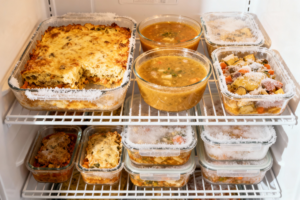
Freezer meals aren’t just for new parents or doomsday preppers. They’re for anyone who loves food but hates the 6 p.m. panic. Spend a little time upfront, stash a few heroes in your freezer, and boom—future you gets dinner on autopilot.
Let’s skip the fluff and get to the good stuff: what to make, how to store it, and how not to end up with a frosty brick of mystery mush.
Why Freezer Meals Make Life Easier

Think of freezer meals as culinary time travel. You cook once, then eat well for weeks. That’s not lazy.
That’s strategic.
You save money because you buy in bulk and dodge last-minute takeout. You reduce food waste because you freeze leftovers before they wilt into sadness. And you eat better because you control ingredients and portion sizes.
Also, nothing beats the smug satisfaction of “dinner’s done” when all you did was reheat.
What Freezes Like a Champ (and What Doesn’t)
Not all foods love the deep chill. Some come out perfect.
Others? They break up with you.
- Great Freezer Candidates: soups, stews, curries, chilis, baked pasta, lasagna, meatballs, marinated raw proteins, breakfast burritos, cooked grains, muffins, cookie dough, pesto (without cheese)
- Handle with Care: potatoes (better mashed or roasted first), rice (freeze flat to avoid clumps), dairy-heavy sauces (stabilize with roux), stir-fries (freeze components, not the finished dish)
- Usually Skip: lettuce, cucumbers, high-water fruits for fresh eating, crispy coatings (they get soggy), soft cheeses, fried foods (unless you air-fry from frozen)
Pro tip: Freeze “components,” not just meals
Cooked shredded chicken, caramelized onions, roasted veggies, cooked beans, and portioned sauces turn into quick meals. Toss with pasta, rice, or tortillas and call it a night.

Smart Planning: Batch Without Burning Out
Batch cooking doesn’t mean you live in your kitchen all Sunday.
Plan two or three recipes that share ingredients and knock them out together. For example: a pot of chili, a tray of enchiladas, and a batch of meatballs use similar pantry staples.
Start small—two recipes, doubled. You’ll still end up with 6–8 dinners.
Keep it doable, or you’ll hate me and your freezer.
The Mix-and-Match Strategy
- Proteins: ground turkey, chicken thighs, beans, tofu
- Bases: rice, quinoa, pasta, tortillas
- Flavors: tomato-based, coconut curry, soy-ginger, herby lemon
Pick one from each, cook or assemble, and freeze. Easy math, delicious outcomes.
Packaging: Don’t Let Freezer Burn Crash the Party
Freezer burn happens when air hits your food. It won’t kill you, but it kills flavor and texture.
So we fight air with good packaging and portioning.
- Use the right containers: freezer bags (press out air), airtight plastic or glass containers, or vacuum sealers if you’re fancy.
- Cool first: Let food reach room temp before freezing. Hot food creates condensation—hello ice crystals.
- Portion smart: Freeze in meal-size amounts. Single servings mean fewer “ugh, I need to thaw half a lasagna” moments.
- Freeze flat: Lay bags flat on a sheet pan.
They stack like books and thaw faster.
- Label like a boss: Name, date, and reheating notes. Future you will not remember what “Orange Thing” is. FYI: painters tape + Sharpie = elite combo.
Best Practices for Liquids
Leave headspace in containers—liquids expand when frozen.
For soups or sauces, use a muffin tin to create portioned pucks, then pop them into a bag. You’ll thank yourself later.

Make-Ahead Winners: A Starter Menu
Here’s a mini playlist of freezer-friendly hits that reheat like champs. I’ve made these a million times and they never fail, IMO.
- Beef or Turkey Chili: Freeze in 2-cup portions.
Reheat on the stove with a splash of broth. Add fresh toppings for crunch.
- Chicken Tikka Masala: Freeze the sauce and cooked chicken separately if you can. Serve with microwaved frozen rice—total hack.
- Baked Ziti or Lasagna: Assemble unbaked, freeze, then bake from frozen covered with foil.
Remove foil near the end for browning.
- Breakfast Burritos: Scrambled eggs, cheese, potatoes, sausage or beans. Wrap tightly, freeze, then microwave or air-fry. Perfect for chaotic mornings.
- Meatballs + Sauce: Bake, cool, freeze on a sheet, then bag.
Pair with jarred or homemade sauce pucks.
- Teriyaki Chicken Thighs (Marinade Pack): Freeze raw chicken in marinade. Thaw overnight, then roast or grill. It’s hands-off magic.
- Soup Trio: Lentil, tomato basil, and chicken noodle (freeze noodles separately).
Rotate so you don’t get soup fatigue.
Vegetarian MVPs
- Black bean and sweet potato enchiladas – freeze unbaked with sauce, bake from frozen.
- Chickpea tikka or chana masala – holds texture like a champ.
- Spinach and ricotta stuffed shells – freeze in a single layer, sauce on top.
Thawing and Reheating Without Sadness
Good reheating wins the game. You can cook like a pro and still ruin dinner if you reheat carelessly. Don’t do that to yourself.
- Thaw safely: Best option: overnight in the fridge.
In a rush? Use cold water bath (sealed bag, change water every 30 minutes). Microwave defrost in short bursts as a last resort.
- Reheat gently: Low and slow on stovetop or oven, with a splash of liquid.
Stir often.
- Crisp things back up: Use the oven or air fryer for burritos, roasted veggies, and breaded items. Microwaves make things soft—embrace the two-step: microwave to warm, then crisp in a pan or air fryer.
- Finish fresh: Add herbs, lemon, yogurt, a drizzle of olive oil, or chopped scallions at the end. Instant upgrade.
Time and Temperature Cheatsheet
- Soups/stews: Stove 10–20 minutes, medium heat
- Pasta bakes: Oven 350°F/175°C, 45–60 minutes from frozen (foil on), uncover last 10–15
- Meatballs: Simmer in sauce 15–20 minutes
- Marinated raw chicken: Thaw overnight, bake 400°F/205°C for 25–35 minutes
Food Safety (A Quick Reality Check)
We love vibes, but fridge rules still matter.
Keep it safe so you keep it delicious.
- Freeze within 3–4 days of cooking. Sooner is better.
- Don’t refreeze thawed foods unless you cooked them again. Once thawed, commit.
- Temperature goals: Reheat to 165°F/74°C in the center.
It’s not overkill; it’s peace of mind.
- Label dates: For best quality, aim to eat within 2–3 months. It lasts longer, but quality drops off.
FAQ
How long can I actually keep freezer meals?
Quality stays solid for 2–3 months for most dishes, up to 6 months for soups and stews if packaged well. After that, flavor and texture can dip.
It’s still safe if it’s been frozen the whole time, but you might notice freezer funk. Label dates and rotate—oldest out first.
Do I need a vacuum sealer?
Nope. Helpful?
Yes. Essential? Not at all.
Press air out of freezer bags, use tight-lidded containers, and wrap well. Double-bag saucy items if you worry about leaks. IMO, a good stash of quart-size freezer bags solves 80% of problems.
What’s the best way to freeze cooked rice or grains?
Spread cooked rice on a sheet to steam off moisture.
Portion into bags, flatten, and freeze. To reheat, sprinkle with a little water, then microwave covered. It comes back fluffy, not clumpy.
Works for quinoa and farro too.
Can I freeze dairy-based sauces?
You can, but stabilize them. Make a roux or add a little cornstarch slurry to prevent separation. Reheat gently and whisk.
If it still breaks, a splash of cream or a quick blitz with an immersion blender usually fixes it.
Should I cook vegetables before freezing?
Usually, yes. Blanch or roast first to lock in color and texture. Raw high-water veggies turn mushy.
The exception: onions and peppers for fajitas freeze well sliced and raw, especially if you plan to sauté them later.
Is it better to freeze meals cooked or raw?
Both work. Cooked meals win for grab-and-reheat convenience. Raw marinated proteins win for peak texture and faster prep on cook day.
Mix strategies based on your week. FYI: raw items generally take less freezer space.
Conclusion
Freezer meals don’t mean eating like a squirrel prepping for winter. They mean more good food with less stress.
Stock a few favorites, package them right, and reheat with care. You’ll spend less money, eat better, and dodge the “what’s for dinner?” spiral.
Start small, build your stash, and enjoy that future-you gratitude every time you open the freezer. And if you label something “Orange Thing,” at least add “tastes amazing.”