Which Should You Choose?
You want gear that makes food taste better, not just look pretty on Instagram. Here’s the hard truth: the pan you pick can either elevate your steak to legend status or sink your sauce into metallic sadness.
Enameled vs bare cast iron is the heavyweight matchup—flavor, durability, ease, all on the line. I’ll give you the no-BS breakdown so you stop guessing and start cooking like a pro. By the end, you’ll know exactly which to buy, when to use it, and why.
What Makes This Recipe Awesome

Okay, not a food recipe—this is your cookware recipe for better results.
The “ingredients” are features, the “method” is usage, and the “taste” is performance in your kitchen.
- Zero fluff, all facts: We compare heat, searing, sauces, cleanup, longevity, and health concerns.
- Use-cases you’ll actually recognize: Sourdough, bolognese, skillet pizza, fried eggs, braised short ribs, campsite cooking.
- Clear verdicts per task: You’ll know which pan wins for each job, no guesswork.
- Practical maintenance tips: Keep your investment bulletproof for years.
Shopping List – Ingredients
- Enameled cast iron (e.g., Dutch oven, enameled skillet): great for sauces, braises, soups, and acidic dishes.
- Bare cast iron (traditional, seasoned skillet or griddle): excellent for high-heat searing, frying, baking, and campfire cooking.
- Neutral oil (grapeseed, canola, avocado): for seasoning and cooking.
- Coarse salt: for gentle scrubbing (bare cast iron).
- Soft sponge or nylon brush: for enameled surfaces.
- Paper towels or lint-free cloth: for drying and oiling.
The Method – Instructions

- Match the pan to the task: Use bare cast iron for steaks, burgers, cornbread, skillet pizza, and crispy potatoes. Use enameled cast iron for chili, braises, stews, tomato sauces, and anything wine-heavy or simmered.
- Preheat properly: Cast iron loves slow, steady heat. Start on medium for 3–5 minutes.
Bare cast iron can take higher heat; enameled prefers medium to medium-high to protect the coating.
- Season when needed: Keep bare cast iron lightly oiled. Wipe a thin layer of oil on a warm pan until it looks satiny, not greasy. Enameled does not need seasoning.
- Use the right utensils: Stainless or wood is fine for both.
Avoid stabbing or scraping enameled with metal if you’re heavy-handed—chips are forever.
- Handle acid smartly: Cook tomato sauce, wine reductions, or citrus braises in enameled. Avoid long acidic cooks in bare—they can strip seasoning and add off flavors.
- Clean like a pro: Bare: wipe, salt-scrub if needed, warm-water rinse, dry, oil. Enameled: soak with warm soapy water, use a nylon brush, avoid metal scouring.
No dishwasher for either, IMO.
- Avoid thermal shock: Don’t blast a hot pan with cold water. Let it cool a bit first—save the drama for your espresso.
- Store smart: Dry completely. Bare: light coat of oil if you’re in a humid area.
Enameled: place a paper towel between pot and lid to avoid moisture buildup.
Keeping It Fresh
- Re-season bare cast iron quarterly or when food starts sticking. Light coats, high heat in the oven, 60 minutes at 450–500°F, cool in oven.
- Protect enamel by keeping temps moderate and avoiding empty preheating on high. Use silicone or wood utensils if you’re clumsy.
- De-stink your pan with a quick bake: bare cast iron at 400°F for 20 minutes.
For enameled, simmer water with a spoon of baking soda.
- Rust check on bare: scrub with steel wool if needed, rinse, dry on low heat, then re-season. Rust is a phase, not a death sentence.

What’s Great About This
- Heat performance: Both hold heat like champs; bare tolerates higher searing temps and open flames.
- Flavor development: Bare builds a nonstick-like patina over time; enameled is smoother and better for delicate, saucy, or acidic cooking.
- Ease of cleaning: Enameled usually wins here—soap is fine and no seasoning required.
- Versatility: Enameled Dutch ovens go oven-to-table; bare skillets go stove, oven, grill, or campfire without blinking.
- Longevity: Both can last decades. Bare is nearly indestructible; enamel is durable but can chip if abused.
Don’t Make These Errors
- Cooking tomatoes in bare cast iron for hours: Acid will wreck your seasoning and can taste metallic.
- Cranking enameled to max heat empty: You can discolor or damage the coating.
- Skipping the preheat: Cold cast iron = sticky mess and uneven browning.
Patience equals crust.
- Soaking bare cast iron overnight: Hello, rust. Clean, dry, oil—done.
- Using metal scours on enamel: Chips happen fast and never heal. Be nice.
Recipe Variations
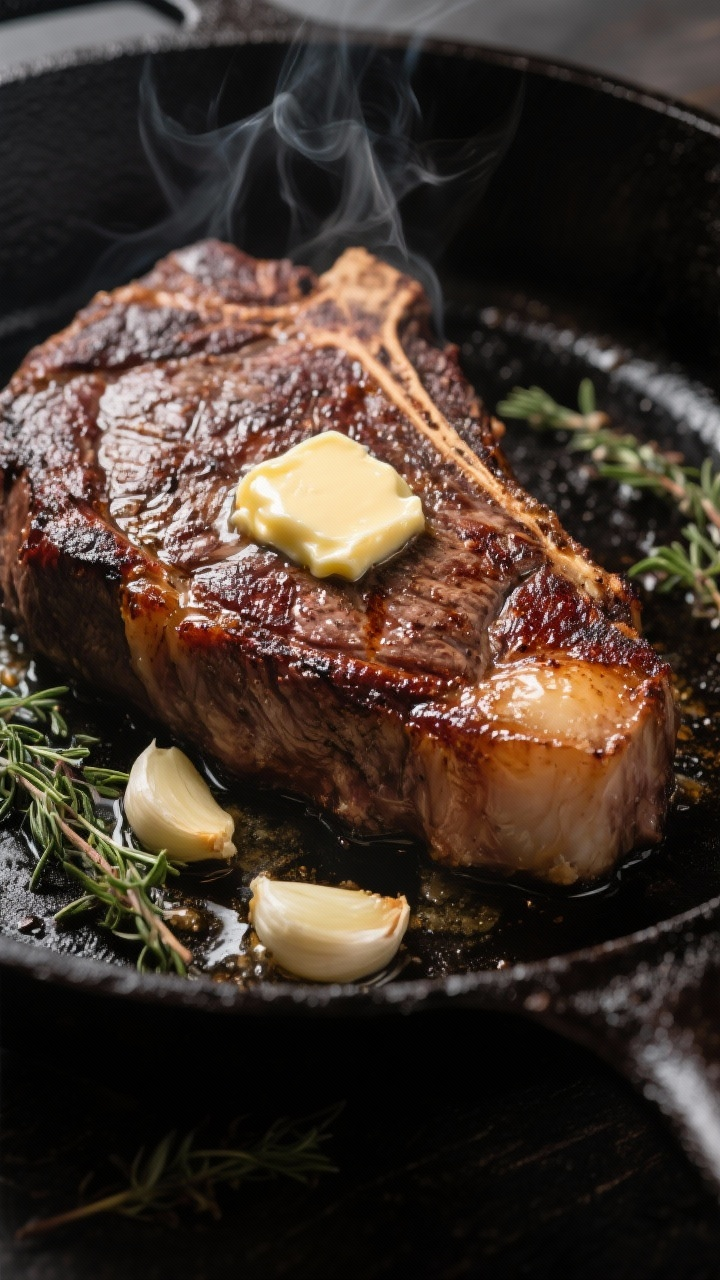
- Weeknight Steak “Recipe”: Bare cast iron, high heat, pat steak dry, salt, sear 2–3 min per side, finish with butter and thyme.
Restaurant crust at home.
- Sunday Bolognese: Enameled Dutch oven, moderate heat, long simmer with tomatoes and wine. No metallic bite, silky sauce.
- Skillet Cornbread: Bare cast iron preheated with oil, batter sizzles on contact, bakes to crispy edges. Pure happiness.
- Red Wine Braised Short Ribs: Enameled, low and slow, lid on.
Falls-off-the-bone, perfect for company.
- Fried Eggs Test: Well-seasoned bare wins for slip; enameled works too with a bit more fat and moderate heat.
FAQ
Is bare cast iron safe for everyday cooking?
Yes. Properly seasoned cast iron is safe and has been used for generations. A tiny amount of iron can leach, which is generally harmless and sometimes beneficial.
Avoid long acidic cooks in bare to protect seasoning.
Can I use soap on bare cast iron?
Modern soaps are mild and won’t strip a well-bonded seasoning. A quick soapy rinse is fine, but avoid long soaks. Dry thoroughly and oil lightly afterward.
Why does food stick to my bare cast iron?
Usually it’s not hot enough, the seasoning is thin, or you moved the food too soon.
Preheat longer, use a bit more fat, and let proteins release naturally before flipping.
Will enameled cast iron chip easily?
It’s tough but not invincible. Avoid dropping, metal-to-enamel banging, or extreme thermal shock. With normal care, it lasts years without issues.
Can I sear steak in enameled cast iron?
Yes, at medium to medium-high heat.
You’ll get a good sear, but bare cast iron can take higher heat for a more aggressive crust and faster Maillard reaction.
Do I need both types?
Not required, but owning one of each covers 99% of cooking. If you pick one, choose based on your habits: searing and baking breads = bare; braising and saucy meals = enameled.
Is enamel nonstick?
No. It’s smoother than raw iron but not nonstick.
Preheat, use adequate fat, and keep temps reasonable to minimize sticking.
Can I put cast iron in the dishwasher?
No for bare (it will rust and lose seasoning). Technically possible for enameled, but it’s not recommended—hand washing preserves the finish and hardware.
What size should I buy first?
For bare: a 10–12 inch skillet. For enameled: a 5.5–7 quart Dutch oven.
Those two are workhorses that handle most meals.
The Bottom Line
If you love high-heat sears, crispy edges, campfire vibes, and pan pizza glory, pick bare cast iron. If you live for braises, soups, tomato sauces, and stress-free cleanup, go enameled cast iron. Want maximum range and zero excuses?
Get one of each and retire from cookware FOMO forever. Your food—and your future dinner guests—will thank you.
- PRECISION HEAT DISTRIBUTION – This cast iron skillet has a smooth finish to help provide even heat distribution for improved cooking and frying, even on grills, stoves or induction cooktops.
- TRUE COOKING VERSATILITY – The Cuisinel cast iron skillet pan can be used for frying, baking, grilling, broiling, braising, and sautéing meats, vegetables and more!
- EASY TO CLEAN & MAINTAIN – After every use, cast iron should be hand washed, dried thoroughly on the stove at medium heat and seasoned with oil; Do not put in dishwasher and do not air dry.
- INCLUDED SILICONE HANDLE HOLDERS – This cast iron skillet kit comes complete with non-slip, handle covers to keep a solid grip during cooking. (Silicone grips get hot: Always use an oven mitt or a towel when handling cast iron


Printable Recipe Card
Want just the essential recipe details without scrolling through the article? Get our printable recipe card with just the ingredients and instructions.
Printable Recipe Card
Want just the essential recipe details without scrolling through the article? Get our printable recipe card with just the ingredients and instructions.